Artificial Intelligence Transparency Policy
Our AI Policy: Transparency, Trust, and the Work of Preserving Memory
At The Memory Attic, we spend our days working with fragile, meaningful materials — photographs, film, tapes, documents, and ephemera that carry real history and personal memory. Because of that, trust is everything.
As artificial intelligence becomes more common in creative and professional work, we want to be clear about how (and how not) we use AI.
Yes, We Sometimes Use AI
We may use AI tools to help with:
Drafting written content
Organizing ideas
Restoring audio and visual materials
Some of the tools we use — like Topaz Video AI or iZotope RX — include machine learning components. These tools don’t “create” history. They help reduce noise, stabilize footage, and improve clarity in damaged recordings.
Think of them as advanced restoration instruments, similar to dust removal or color correction in traditional preservation work. A human still decides what is appropriate, how far to go, and when to stop.
What AI Never Touches
AI is never used to:
Modify historical or archival materials
Invent context or facts
Replace professional judgment
Make decisions about restoration, digitization quality, or authenticity
Those responsibilities always belong to humans.
We Will Always Tell You
If AI helped create or refine a piece of content, we will say so.
No hidden use. No vague language. No guessing.
Transparency isn’t optional — it’s part of our ethics.
Your Materials Are Never Used to Train AI
Private client materials and digitized collections are never uploaded or used to train AI systems. Your trust and your history matter.
Why We’re Sharing This
Preserving memory means being thoughtful about the tools we use today.
We believe honesty about technology strengthens trust — and trust is foundational to our work.
If you ever have questions about our process, we welcome them.
This blog post was written with the help of Artificial Intelligence.
From Attic to Archive: Memories in a Digital Future
When was the last time you sat down and opened those old boxes? The ones we keep tucked away in our attics, basements, or bedroom closets? They’re filled with fading photo albums and dusty videotapes we haven’t relived in years. We all know how it feels.
When was the last time you sat down and opened those old boxes? The ones we keep tucked away in our attics, basements, or bedroom closets? They’re filled with fading photo albums and dusty videotapes we haven’t relived in years. We all know how it feels.
I’m Elke Noor-Brooks, and I run the Ann Arbor-based digitization service – The Memory Attic – your local partner in digitizing, sharing, and reliving your most cherished memories. I founded The Memory Attic on one simple belief: your memories are precious and deserve to be preserved with care
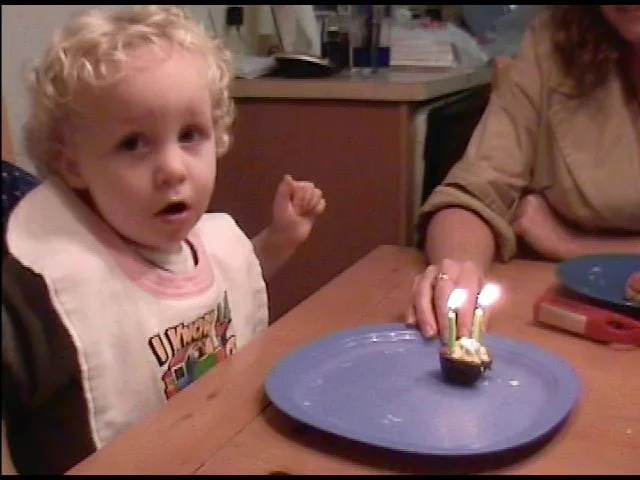
A still frame of my 2nd
birthday celebration from
a family MiniDV tape.
My journey began in 2023 when I started digitizing my family’s MiniDV tapes. I was frustrated with how large digitization companies handled customers’ memories – poor-quality transfers, impersonal service, and little transparency. So, I decided to do better. What began as a family project soon grew into helping neighbors and friends in Washtenaw County, and by 2025, The Memory Attic was officially born.
Our goal is simple: to make your memories accessible again.
Make Your Memories Accessible Again
〰️
Make Your Memories Accessible Again 〰️
Through this blog, we’ll share:
Tips on how to digitize your media yourself (or with our help)
Insights into our process and how it differs from at-home digitization
Highlights from fascinating digitization projects we’ve worked on
We hope you’ll join us in our mission to preserve and celebrate the moments that matter most.
It’s time to open those boxes — and relive your memories with us at The Memory Attic.